









Traveling the world should be about creating memories, not hunting for Wi-Fi or worrying about shocking phone bills. For years, international travel has been plagued by a common problem: staying connected. You land in a new country, and the familiar routine begins—searching for a local SIM card kiosk, navigating language barriers, and dealing with the hassle of swapping tiny plastic chips. But what if there was a better, more seamless way?
Enter the eSIM. This revolutionary technology is changing the game for travelers, offering a digital solution to an age-old problem.
This guide will explain everything you need to know, starting with the most fundamental question: what is eSIM technology and how can it transform your journeys?
What is an eSIM?
An eSIM, or “embedded Subscriber Identity Module,” is a digital SIM card. Unlike the physical SIM cards you’re used to, an eSIM is a small chip that is built directly into your device’s motherboard during manufacturing. It performs the exact same function as a traditional SIM: it identifies your device to a mobile network, allowing you to connect to the internet, make calls, and send texts.
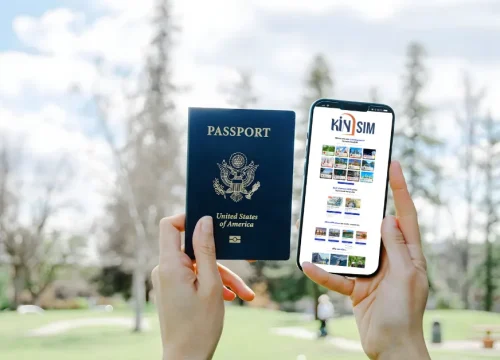
Because it’s digital, you don’t need to physically insert or remove anything. Instead, you can download a “SIM profile” from a provider like KiNSim directly to your phone. This opens up a world of flexibility, especially for those who travel frequently. Essentially, an eSIM is the modern, hassle-free key to global connectivity.

How to Use eSIM for Seamless Travel
One of the most common questions from new users is, “how to use eSIM?” The process is surprisingly simple and designed for convenience. It eliminates the need to visit a physical store or wait for a SIM card to be delivered. Here’s a typical breakdown of the steps:
- Check Device Compatibility: First, ensure your smartphone, tablet, or smartwatch is eSIM-compatible. Most modern flagship devices from Apple, Google, and Samsung support this technology.
- Buy an eSIM Plan Online: The next step is to buy eSIM data plans tailored to your destination. Use KiNSim to browse plans for over 200 countries and regions right from our app or website. Choose a plan that fits the length of your trip, whether it’s a short weekend getaway or a month-long global adventure.
- Activate Your Plan: After purchase, you’ll receive a QR code. Simply go to your phone’s settings, select “Add Cellular Plan,” and scan the QR code. Your phone will download the eSIM profile, and within minutes, you’ll be connected to the local network upon arrival at your destination.
It’s an entirely digital experience built to get you online instantly, anywhere in the world.
The Top Advantages: What is eSIM Used For?
The practical applications and benefits are where eSIM technology truly shines, especially for travelers. So, what is eSIM used for in a way that makes it superior to traditional SIMs? Here are some reasons:
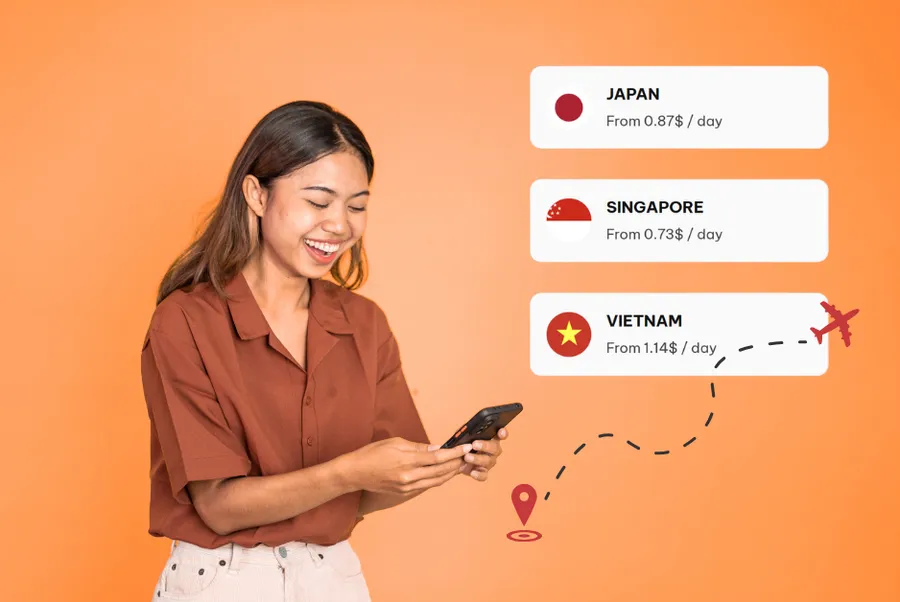
- No More Roaming Fees: Connect to local networks at local prices and save significantly on your travel phone bill.
- Instant Connection: Get online the moment you arrive in over 200 countries. No more waiting or searching.
- Dual SIM Flexibility: Keep your home number active while using a separate eSIM for affordable travel data.
- Secure by Design: An embedded digital SIM can’t be physically lost or stolen like a traditional card.
- Pay for What You Need: Choose flexible plans that fit your trip’s exact length, from a few days to several weeks.
- Eco-Friendly Choice: Go digital and help reduce the plastic waste generated by physical SIMs.
Are There Any Disadvantages?
Like any technology, eSIMs have a few limitations to consider.
- Compatibility Issues: Support is mainly limited to newer phone models, so check your device first.
- Activation Learning Curve: The digital setup might feel unfamiliar at first compared to the traditional SIM swap.
- Complex Device Transfers: Moving an eSIM to a new handset is less direct than swapping a physical SIM.
eSIM vs. Physical SIM: A Quick Comparison
To understand what is eSIM in contrast to a traditional SIM, here’s a simple table highlighting the key differences:
| Feature | eSIM (Digital SIM) | Physical SIM |
| Form Factor | Embedded chip, no physical card | Removable plastic chip |
| Activation | Digital via QR code or app | Manual insertion of the card |
| Network Switching | Instant, switch profiles in settings | Requires physically swapping cards |
| Multiple Plans | Store multiple profiles on one device | Limited to one or two (dual-SIM phones) |
| Travel Use | Highly affordable, buy local plans remotely | Can be expensive due to roaming fees |
| Security | Cannot be physically lost or stolen | Can be easily lost, damaged, or stolen |
| Compatibility | Supported by most newer devices | Supported by nearly all mobile devices |
Conclusion
The question of “what is eSIM?” is becoming central to the conversation about modern travel. It represents a significant leap forward from the days of inconvenient plastic SIM cards and unpredictable roaming charges. With its ease of use, affordability, and flexibility, the eSIM is an indispensable tool for any global traveler. It allows you to stay connected anywhere, anytime, without the traditional hassle.
Are you ready to make your next trip the most connected and stress-free one yet? Explore KiNSim today and discover a world of seamless travel connectivity.